Our Service

On-Page SEO

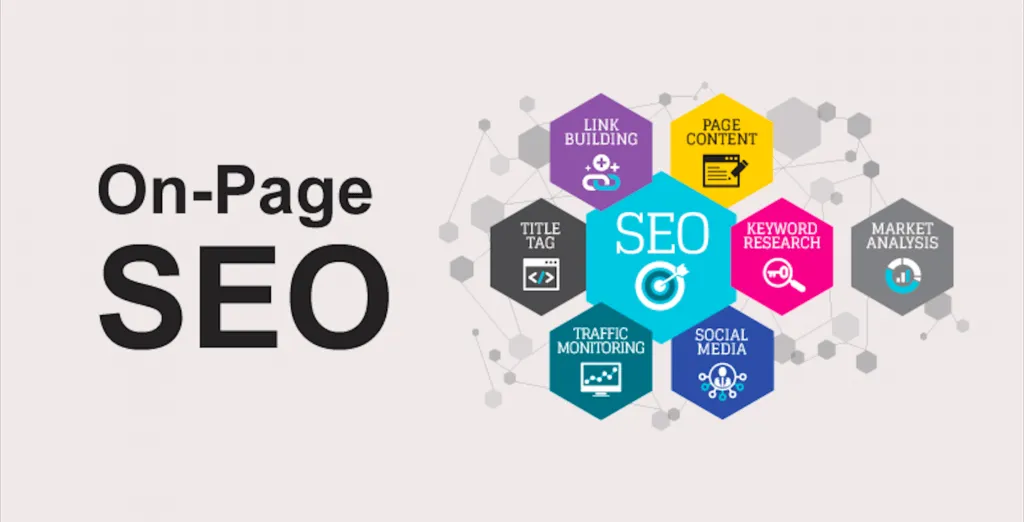
On-Page SEO is the practice of optimizing web pages to improve search rankings and attract relevant traffic through content, keywords, and HTML elemen

On-Page SEO is the practice of optimizing web pages to improve search rankings and attract relevant traffic through content, keywords, and HTML elements.

What is On-Page SEO?

What is On-Page SEO?

On-page SEO refers to the practice of optimizing individual web pages to improve their search engine rankings and earn more relevant traffic. It involves optimizing both the visible content and the HTML source code of a page to ensure it aligns with search engine algorithms.


Essential On-Page SEO Strategies

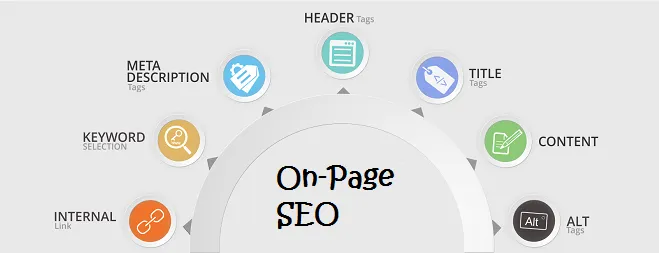
  1. Title Tag Optimization

The title tag is one of the most critical on-page SEO elements.

    • Keep the title between 50-60 characters to avoid truncation in search results.
    • Include your target keyword naturally within the title.
    • Make the title engaging to encourage higher click-through rates.

Example:
“Best Digital Marketing Services | Grow Your Business Online”

  1. Meta Description

The meta description summarizes the content of the page and appears below the title in search engine results.

    • Limit it to 155-160 characters.
    • Use action-oriented language and incorporate your primary keyword.
    • Make it compelling to improve click-through rates.

Example:
"Discover expert digital marketing services that drive traffic and boost conversions. Let’s grow your business online today!"

  1. Header Tags (H1, H2, H3, etc.)

Header tags structure your content and make it easier for search engines and users to understand.

    • Use the H1 tag for the main heading, ensuring it includes the primary keyword.
    • Use H2, H3, and other subheadings to organize the content logically.
    • Include secondary keywords in subheadings for additional relevance.
  1. URL Structure

Create SEO-friendly URLs that are concise and descriptive.

    • Use hyphens to separate words (e.g., example.com/on-page-seo-guide).
    • Avoid using special characters, numbers, or lengthy strings.
    • Incorporate the primary keyword in the URL.
  1. Keyword Optimization

Ensure your primary and secondary keywords are used strategically:

    • Include the target keyword in the first 100 words of your content.
    • Maintain a natural keyword density (avoid keyword stuffing).
    • Use synonyms and related terms to enhance content relevancy.
  1. Content Quality and Relevance

Search engines prioritize high-quality, relevant, and unique content.

    • Write content that solves the user’s query or adds value.
    • Aim for 800-1500+ words to provide comprehensive information (depending on the topic).
    • Incorporate multimedia elements like images, videos, or infographics for engagement.
  1. Internal Linking

Link to other relevant pages within your website.

    • Helps distribute link equity and improve navigation.
    • Use descriptive anchor text that includes keywords.

Example:
"Learn more about our SEO services here."

  1. Image Optimization

Optimize images to improve page speed and user experience.

    • Use descriptive file names (e.g., on-page-seo-tips.jpg).
    • Add alt text with relevant keywords for accessibility and SEO.
    • Compress images to reduce file size without compromising quality.
  1. Mobile Friendliness

Ensure your website is fully responsive and provides a seamless experience across devices.

    • Use a mobile-first design approach.
    • Test your page's mobile usability using Google’s Mobile-Friendly Test tool.
  1. Page Load Speed

Fast-loading pages improve user experience and SEO rankings.

    • Minimize HTTP requests and reduce server response times.
    • Enable browser caching and compress files using GZIP.
    • Use a Content Delivery Network (CDN) to improve load speed globally.
  1. Schema Markup

Implement structured data (Schema.org) to enhance search results with rich snippets.

    • Markup content like reviews, FAQs, recipes, and events.
    • Helps search engines better understand your page content.
  1. User Experience (UX)

Create a user-friendly webpage with intuitive navigation.

    • Use clean and readable fonts.
    • Ensure proper spacing and alignment for better readability.
    • Include clear CTAs (Call-to-Actions) to guide users.
  1. Social Sharing Buttons

Add social sharing buttons to encourage visitors to share your content on social media platforms.

    • Drives more traffic and increases content visibility.
    • Acts as an indirect signal for SEO.

Why Is On-Page SEO Important?

On-page SEO ensures that search engines understand your content while providing a better experience for users. This improves visibility and rankings.


Why Choose Us?

We strive to be reliable partners in your company-to-customer relations development projects at Local 2 Global Group. So why do many businesses join hands with us? At Local 2 Global Group, we aspire to be your company’s development partner for the firm-to-customer communications projects.


Why Partner with Local 2 Global Group?

  • Expertise and Experience: Our team of seasoned professionals brings years of collective experience in brand strategy, marketing, and design. We stay ahead of industry trends and best practices to provide solutions that work.
  • Customized Approach: Every business is unique, and we believe in tailoring our strategies to match your specific goals and market dynamics. Whether you’re a startup or a well-established corporation, our customized branding solutions are designed to fit your needs perfectly.
  • Proven Track Record: Local 2 Global Group has a history of delivering measurable results. Our branding services have helped businesses, especially in Tampa, achieve enhanced visibility, growth, and success through innovative and impactful strategies.
    At Local 2 Global Group, our commitment to innovation, precision, and your business’s success is unwavering. Partner with us to elevate your brand to unparalleled heights.

Conclusion

In today’s highly competitive landscape, a strong brand strategy is not just an option—it’s a necessity for sustainable growth. At Local 2 Global Group, we are committed to helping you craft and execute a powerful brand identity that resonates with your audience. Whether you seek expert guidance in strategy, tailored branding services, or comprehensive solutions, we are here to be your trusted partner every step of the way. Together, we will build a brand that stands out, endures, and thrives in a dynamic market.

FAQs

Frequently Asked Questions

Common questions about our On-Page SEO service

What is On-Page SEO?

On-Page SEO refers to the practice of optimizing individual web pages to improve their search engine rankings and drive relevant traffic. It involves elements like content, HTML source code, title tags, meta descriptions, and keyword placement.

Why is On-Page SEO important?

On-Page SEO ensures that your website is easily accessible and understandable for search engines and users. It improves visibility in search results and enhances the user experience, leading to better engagement and conversions.

How do keywords impact On-Page SEO?

Keywords are crucial for On-Page SEO as they help search engines understand the content's relevance to users' queries. Proper keyword placement in titles, headings, and content can significantly improve rankings.

What is the role of meta descriptions in On-Page SEO?

Meta descriptions provide a brief summary of a page's content and appear in search results. A well-written meta description can increase click-through rates by enticing users to visit your site.

How does page speed affect On-Page SEO?

Page speed is a critical ranking factor for search engines. Faster-loading pages provide a better user experience, reducing bounce rates and improving rankings.

Ready to Get Started?

Contact us today to discuss how our On-Page SEO services can help your business grow.